
„Nein zu Hinrichtungsdienstagen“ erreicht neue Ebene amid landesweiten Blackouts und Unruhen
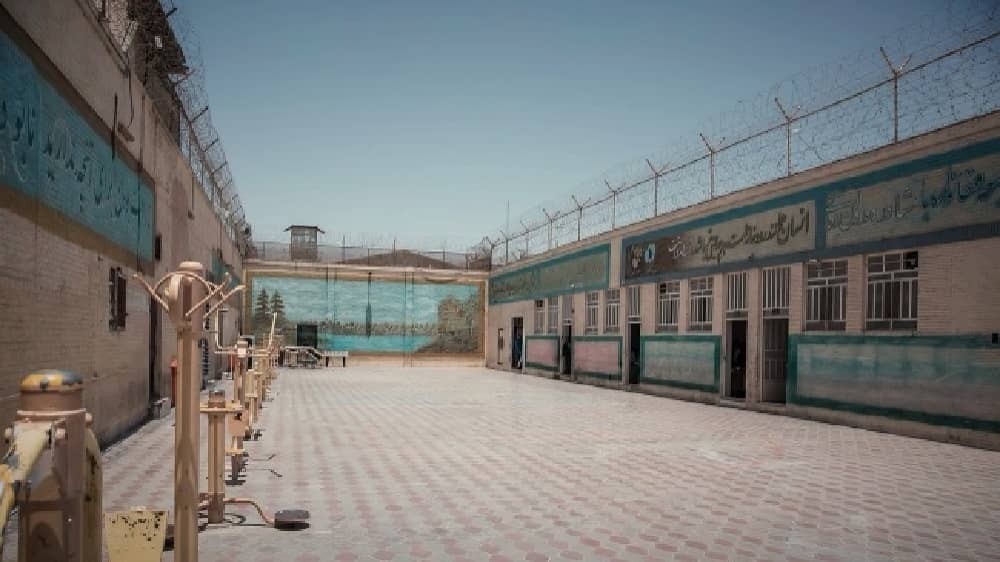
Inside the courtyard of Yazd Prison in central Iran
The long-running “No to Execution Tuesdays” campaign reached a historic turning point on March 3, 2026, marking its 110th consecutive week by evolving from a localized prison hunger strike into a massive grassroots movement sweeping dozens of Iranian cities. Despite a severe state-imposed internet blackout designed to stifle the flow of information, reports and smuggled footage indicate that the slogan “No to Execution” has become a central rallying cry in a new wave of nationwide defiance. This latest escalation follows the tumultuous uprisings of January 2026 and comes amid explosive claims from campaign members that the era of the current leadership is nearing its definitive end.
The “Beginning of the End”
The statement begins by addressing the seismic shift in Iran’s political landscape following the reported death of the Supreme Leader. The prisoners stated: “The ‘No to Execution Tuesdays’ campaign considers the death of the dictator Ali Khamenei… as the beginning of the end of the ominous Velayat-e Faqih regime and the gateway to democracy.”
Reflecting on the nation’s history, the prisoners emphasized that despite a century of “ups and downs,” the country is moving toward a “bright future” that will not return to past dictatorships. They were clear on the source of this change, asserting that “Iran’s freedom will be realized by the hands of the people… not by foreign forces.”
Emergency Demands: Resolution 211
Amid ongoing military hostilities and a reported missile strike on the perimeter of Evin Prison, the campaign members expressed profound solidarity with the Iranian public, noting they “share in their pain and suffering” under “difficult war conditions.”
The manifesto places urgent legal demands on the regime’s judiciary, specifically calling for the immediate implementation of Resolution 211. This emergency protocol, originally drafted for wartime scenarios, mandates:
· The immediate conversion of custodial orders to bail.
· The granting of conditional release or temporary leave to protect the lives of detainees.
· The urgent evacuation of prisoners from high-risk combat zones.
The prisoners warned that the state’s “killing machine” has not slowed down despite the national crisis, citing that over 65 executions have been carried out since February 20 alone.
A National Network of Defiance
Despite a near-total internet blackout across Iran, the campaign documented coordinated slogans and protests in over 20 major cities, from Tabriz to Qeshm. The prisoners characterized the movement as a “networked structure” where the “voice of the detainees is the voice of freedom.”
Directly quoting the slogans echoing from the streets and prison wards: “Surkham Ghadaghan” (Bowing is forbidden), uprising until victory! “We fight, we die, we will take Iran back!” “The January uprising has no stopping.”
The Role of Families and “Seekers of Justice”
The statement credited the survival and expansion of the campaign to the families of the executed and the “justice-seeking” mothers. By “transforming personal grief into a public demand,” these families have ensured the campaign remains a “social current” rather than a localized prison strike.
Spanning across 56 prisons nationwide, the inmates concluded their 110th-week address with a message of unyielding resolve: “Silence is not an option… we do not fear the prison, the chain, or the execution.”